
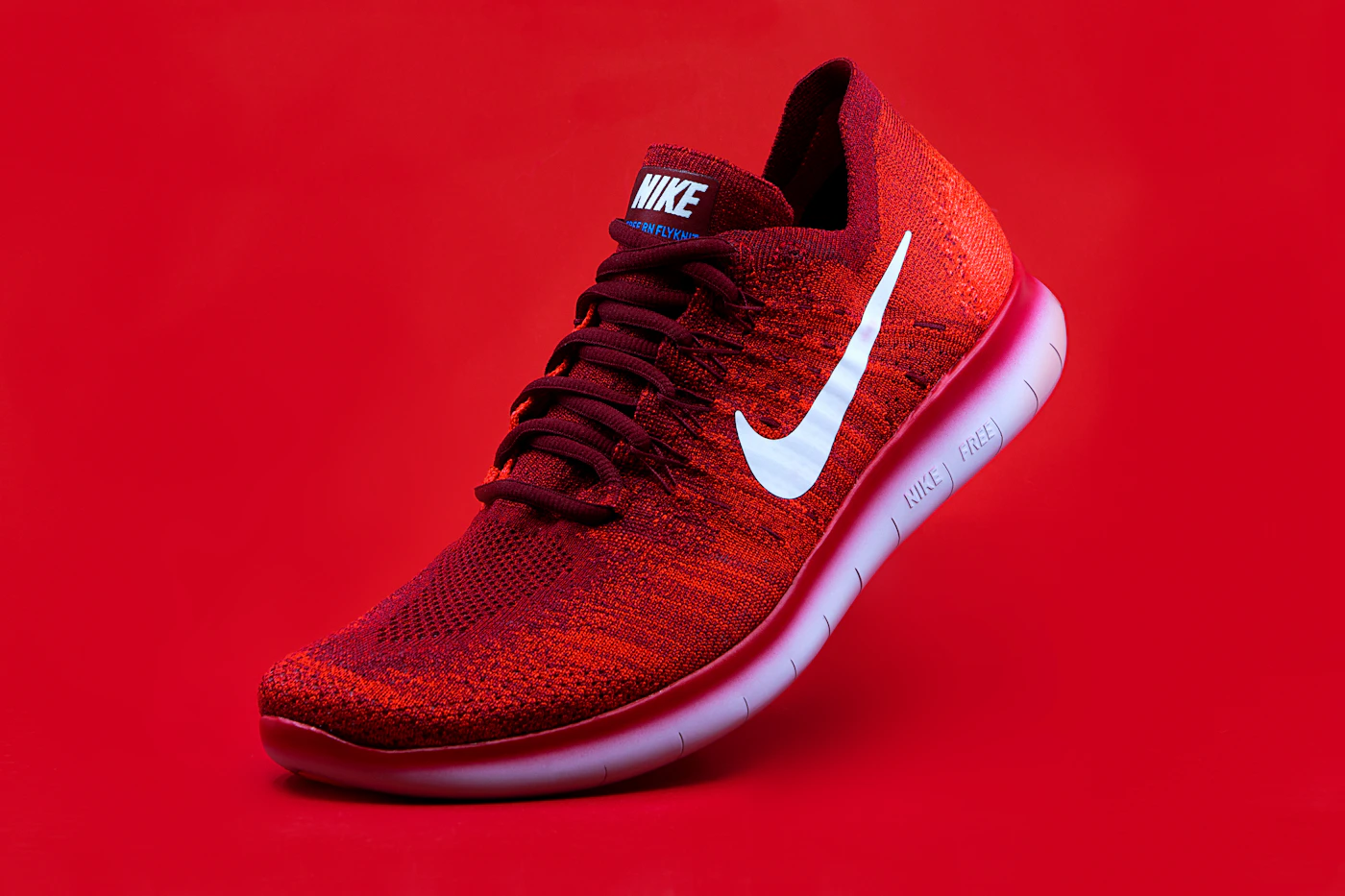
A product listing is more useful when it answers the questions a buyer would naturally ask: exactly what is being sold, what comes in the package, whether it fits the intended use and what happens if it is not right. Attractive photos can help you understand an item, but they should support—not replace—the written details. This checklist helps you judge whether a listing gives enough information for a confident decision.
1. Identify the exact product
Read the complete title and description, including brand, model number, edition or generation where relevant. Similar product names can refer to different specifications. For a phone accessory, for example, compatibility may depend on the device model and connector. For a storage item, a small difference in width or height can determine whether it fits a shelf.
If the page has selectable options, verify that the chosen option is the one you want. The main photo may show a colour or bundle that is not included in the selected variant. Check the price after choosing a size, colour, capacity or pack quantity.
2. Look for measurable specifications
Useful details depend on the category. Clothing should ideally provide a size chart and material composition. Furniture and organisers need dimensions, capacity, material and assembly information. Electronics should state relevant model compatibility, power requirements, connectivity and included accessories. Beauty products should identify the product type, net quantity, ingredient information where applicable and usage directions supplied by the manufacturer.
Be cautious when a listing uses broad words such as “premium,” “universal” or “high quality” without giving facts that help you verify the claim. Those phrases do not tell you the dimensions, materials, supported devices or actual package contents.
3. Compare images with the description
Images can show scale, finish, ports, closures, labels and how an item is used. Look for multiple angles when those details matter. If a lifestyle photo includes props or accessories, do not assume every object in the image is included. Read the package-contents section or ask the seller.
Images can also be misleading when the camera angle hides size or when a colour looks different on another screen. Use written measurements and model details to confirm important attributes. If a critical area is not shown, request a close-up or additional specification rather than guessing.
4. Evaluate the seller and available support
Look for a clear seller or business identity, accessible contact information, delivery terms and a process for handling order problems. The presence of a logo or a polished page alone does not establish reliability. Check whether the support details are consistent across the site and whether the seller explains how customers can ask about an order.
Be wary of a seller who refuses to answer basic product questions, urges you to pay through an unrelated account or asks you to move the transaction away from the stated checkout process. A request for an unnecessary one-time password or account password is a serious warning sign.
5. Read reviews with a specific question in mind
Reviews are most useful when they describe a concrete experience: fit, battery life, durability, ease of setup, packaging or how the product compares with the description. Give more weight to detailed comments that relate to your own intended use than to a bare star rating. Check dates and whether comments appear to refer to the same model or variant.
Look for repeated themes across several reviews rather than treating one very positive or negative post as conclusive. Reviews may be incomplete, unrepresentative or associated with a different variant. If there are no reviews, that does not automatically make a product bad, but it means you should rely more carefully on the specifications, seller details and policies.
6. Read delivery, return and warranty terms
Check the delivery estimate for your location, shipping charge, tracking availability and any stated restrictions. Before buying, identify the return window, required item condition, packaging requirements, return-shipping responsibility and refund method. If warranty coverage matters, look for the period, covered faults, exclusions and the party providing service.
Do not assume that every category has the same return eligibility. Hygiene-sensitive goods, customised items, digital products or clearance items may have different conditions under a store’s policy and applicable law. Read the actual terms for the product and ask for clarification before paying if the rule is unclear.
7. Check the full price and payment flow
Compare the total shown before confirming the order, including shipping and any other disclosed charges. Review discount requirements and make sure the selected currency is correct. Complete payment only through a checkout page you reached from the store’s official website or another verified channel. Keep the order confirmation and avoid sending payment credentials through a chat message.
8. Use a listing scorecard
For a product you are seriously considering, rate each of these as clear, unclear or not applicable: product identity, specifications, variant and package contents, photos, seller contact details, total cost, delivery estimate, return conditions and warranty. The purpose is not to create a scientific rating; it is to reveal which important facts are still missing. If an essential field is unclear, pause before purchasing.
Examples by category
Fashion
Compare garment measurements rather than relying only on labels such as small or large. Check fabric composition, care instructions, fit notes and whether the model’s displayed size is provided. For shoes, confirm the size system and measure against a reliable chart where available.
Electronics
Match the exact device model, connector, supported standards and power rating. Confirm whether a charger, cable, adapter or batteries are included. Avoid assuming that a connector fitting physically guarantees full compatibility.
Home and beauty
For home items, measure the available space and doorway before ordering bulky products. For beauty items, check product identity, quantity, directions and ingredient information, and avoid relying on exaggerated claims that promise identical results for everyone.
When to walk away
Pause if the description contradicts the selected variant, essential specifications are missing, the price or seller claims seem implausible, the return policy cannot be found or the payment request feels unrelated to the store. A good listing does not have to answer every imaginable question, but it should make the important facts easy to find and provide a reasonable way to ask about the rest.
Before ordering, make sure you can explain in your own words what the item is, why it suits your need, how much it will cost and what you can do if it arrives incorrectly. If you cannot, keep comparing until the decision is clear.
Keep a simple decision record
For a purchase you may need to compare later, write down the model or item name, the chosen variant, the total price, the delivery estimate and the return deadline. This short record makes it easier to compare options fairly and to refer back to the information you relied on.
Good shopping decisions are rarely based on one detail alone. Consider the product’s purpose, compatibility, complete cost, seller information and the practical terms together. If a critical detail is missing, ask the seller before paying or choose a listing that explains it clearly.